The notorious Colonia Doctores

As the rents in Colonia Condesa and Colonia Roma climb higher and higher, speculation among certain chilangos grows about which neighborhoods will be the next to be discovered by artists, bohemians and incipient yuppies, and experience a form, however tentative, of gentrification. In previous posts I have written about Colonia Santa Maria la Ribera and Colonia Tabacalera. These neighborhoods -- like Condesa and Roma, conveniently central -- little by little are at least beginning to show signs of overcoming the dodgy reputations of their past and attracting residents with more disposable income.
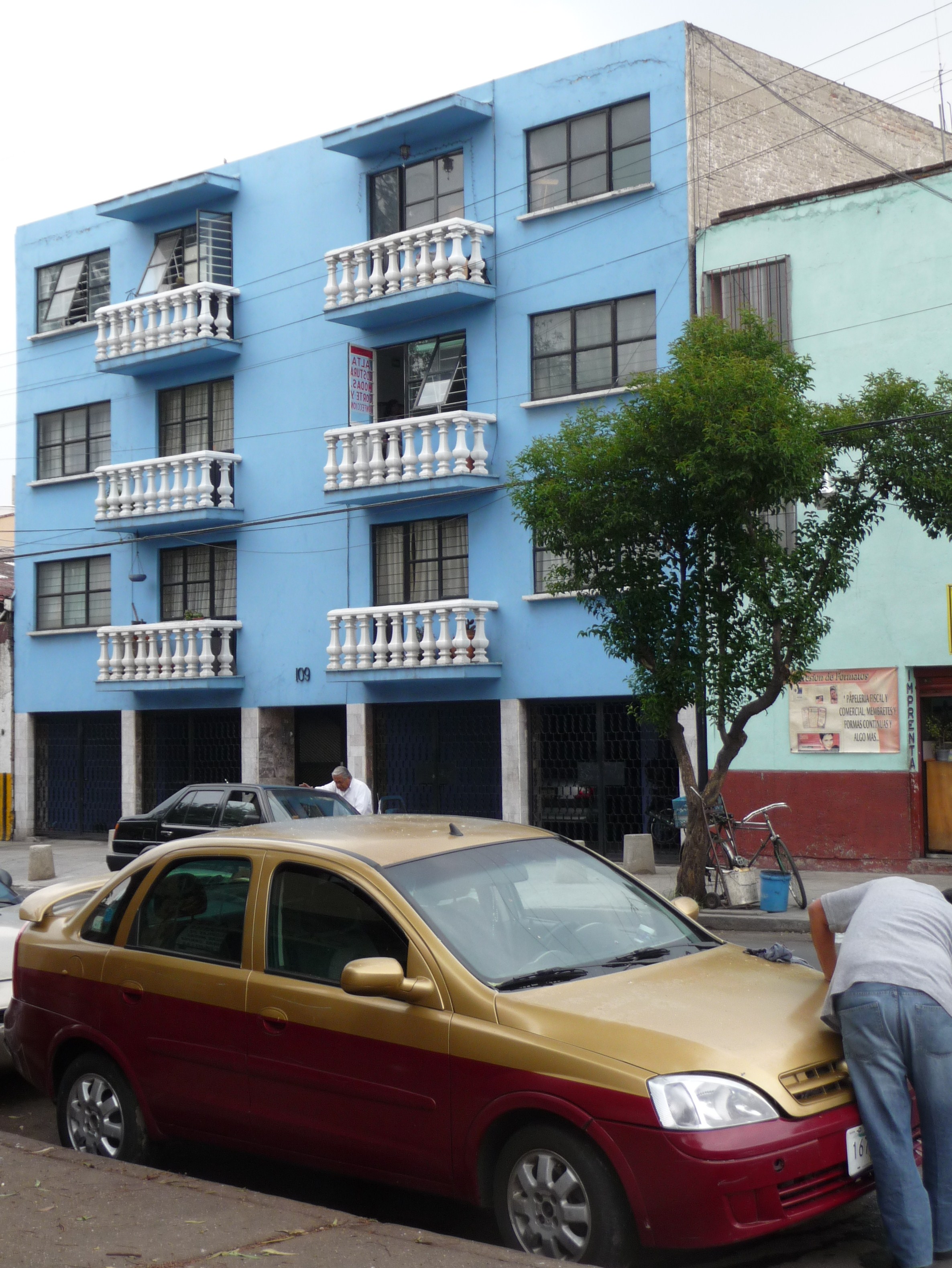
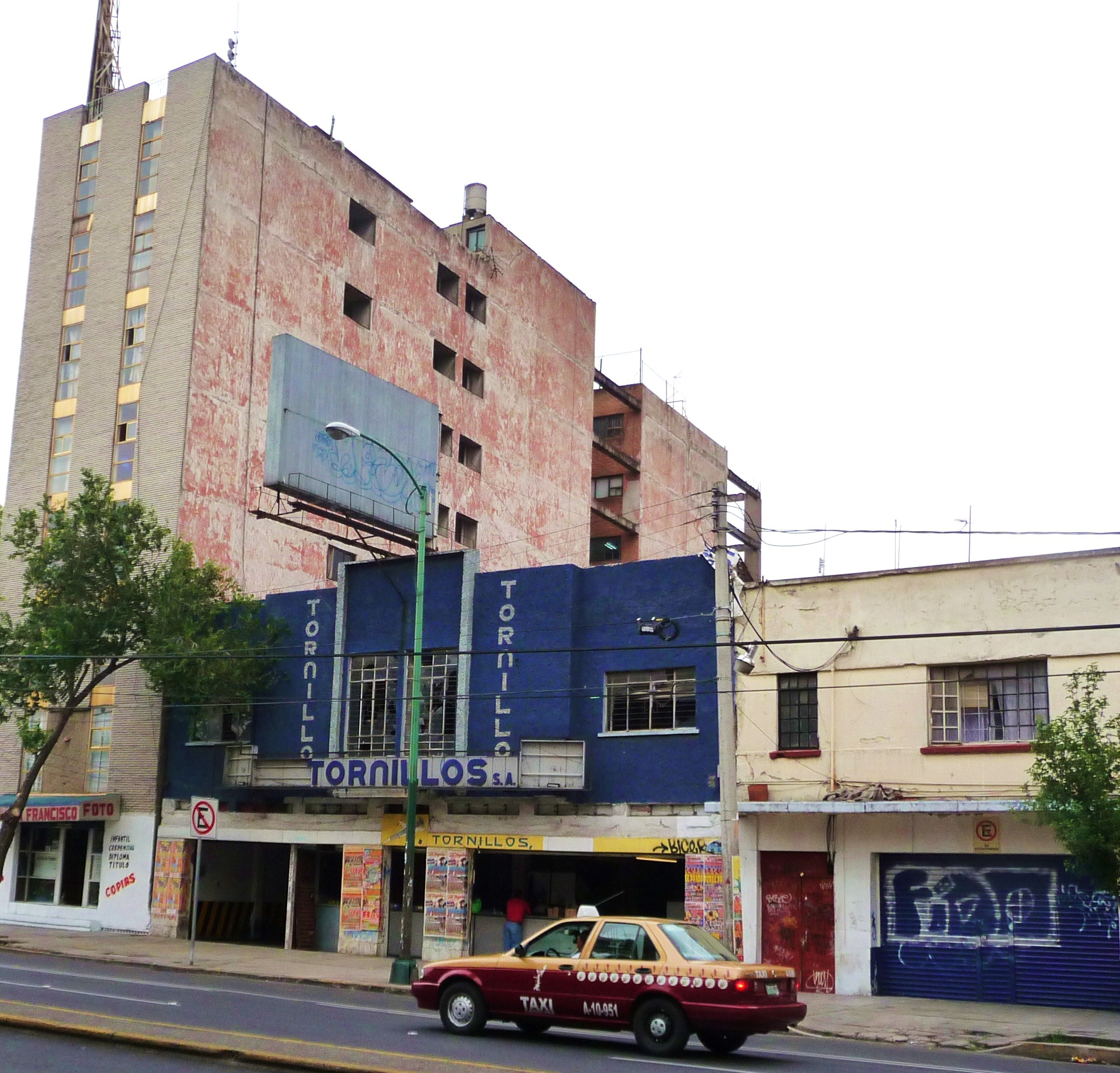
One neighborhood that I fear will never live down its fabled past is the Colonia Doctores. It is admirably located between the Colonia Roma and the Centro Histórico and, if it is not uniformly prepossessing, has a decent housing stock and plenty of idiosyncratic neighborhood characteristics.
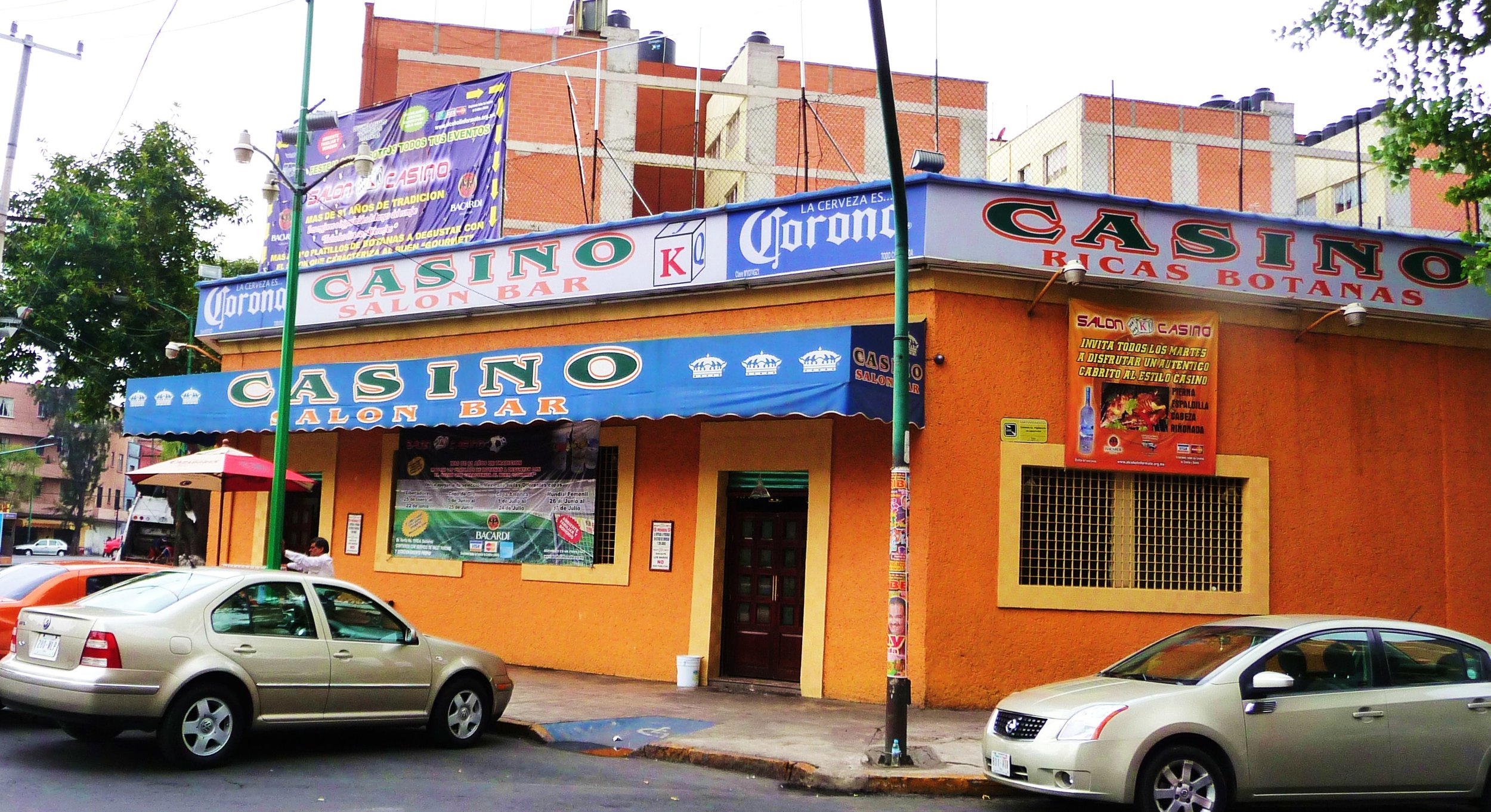
There are some great cantinas here, such as the Salon Casino at Calle Dr. Vertiz #199, and the Bar Sella, about which I have written previously.

There are also a couple of idiosyncratic small museums, such as the Antique Toy Museum on Calle Dr. Olvera #15, and the Indianilla Station Cultural Center on Calle Dr. Bernard #111.
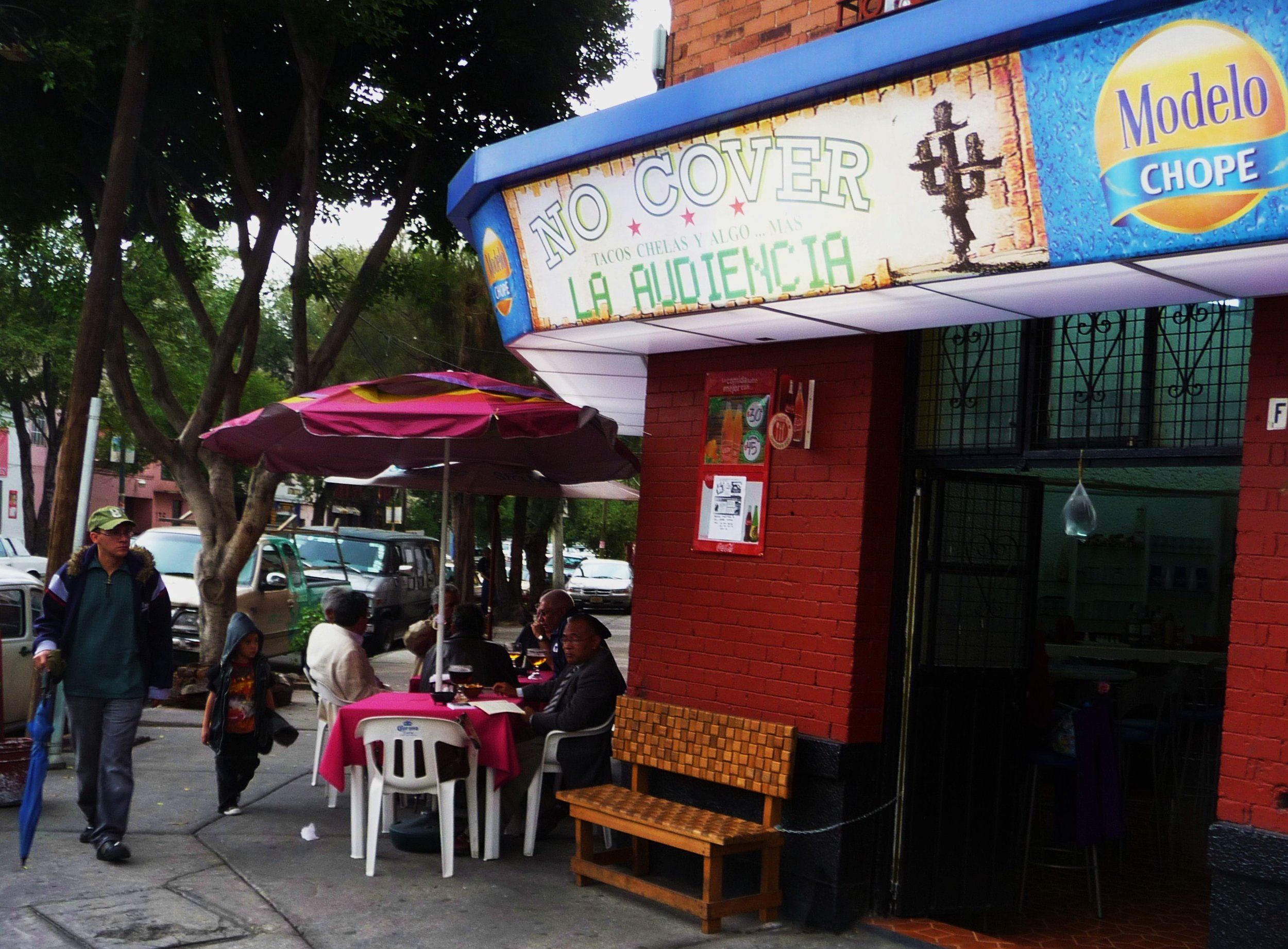
It is even sprouting some sidewalk cafe action.
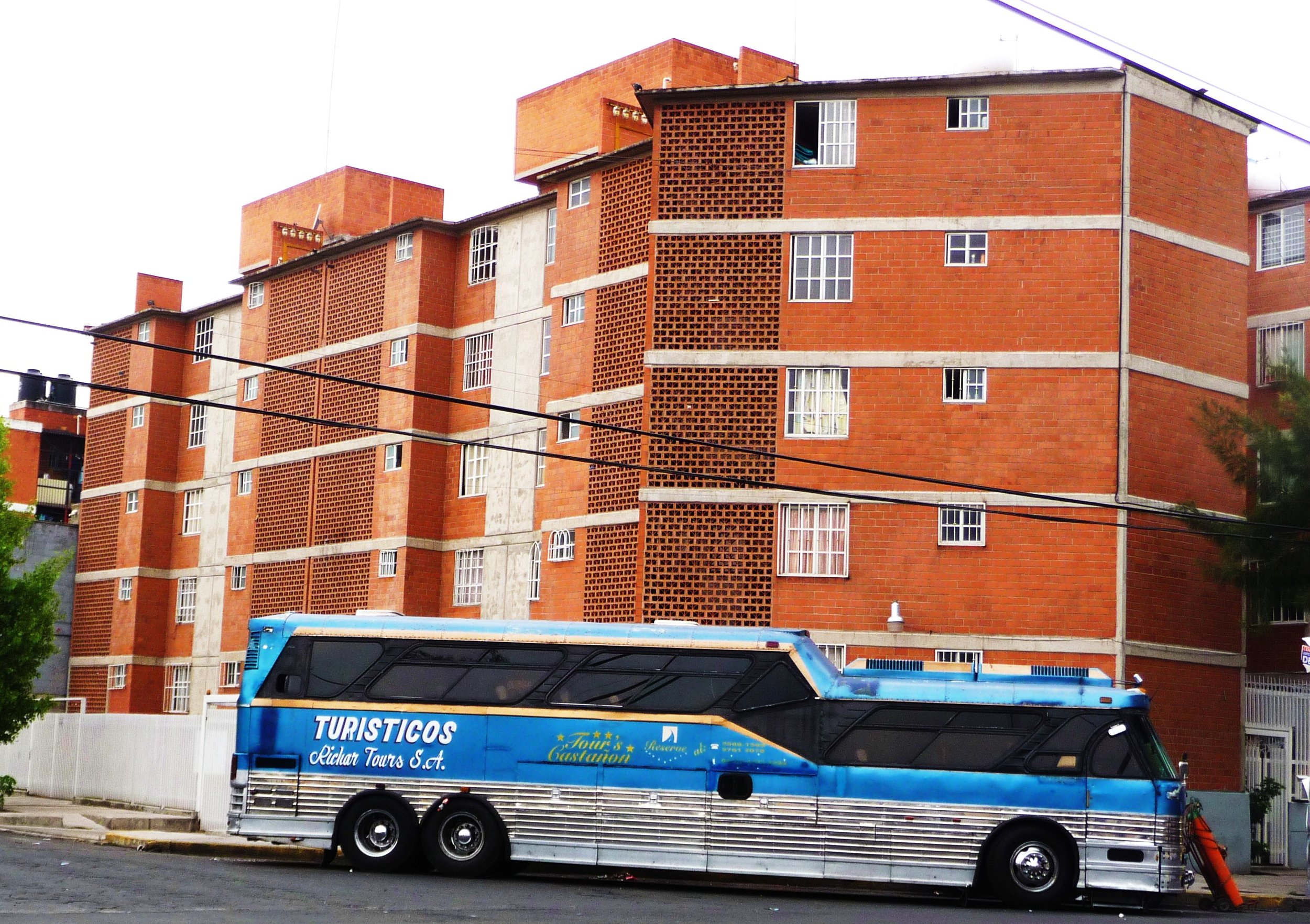
And, as this bus indicates, tourism. What exactly is being sightseen outside this housing project is anyone's guess.
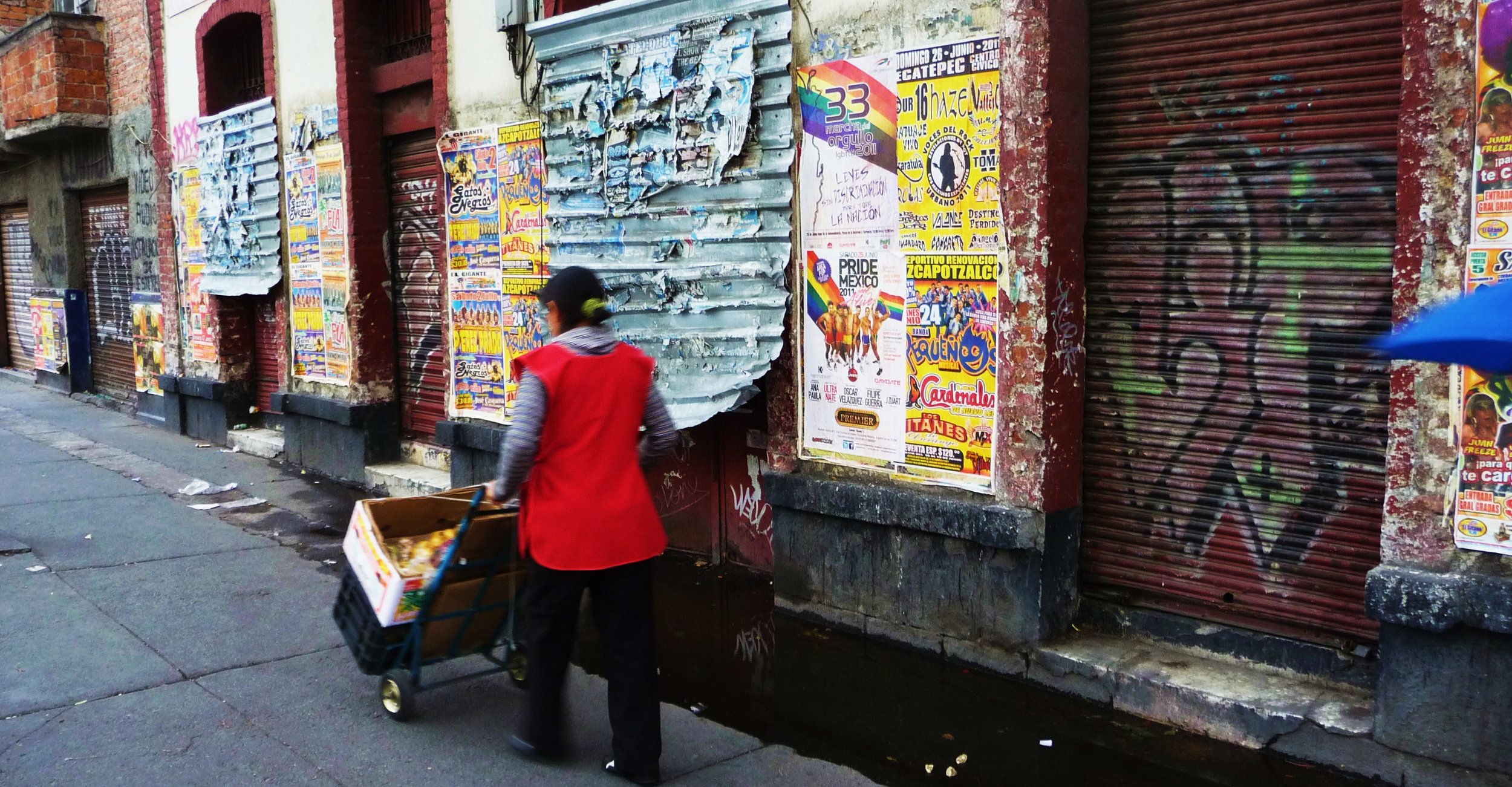
But unfortunately, Colonia Doctores has an almost comically bad reputation, perhaps due to its proximity to the Colonia Buenos Aires, long a hotbed for stolen car parts.
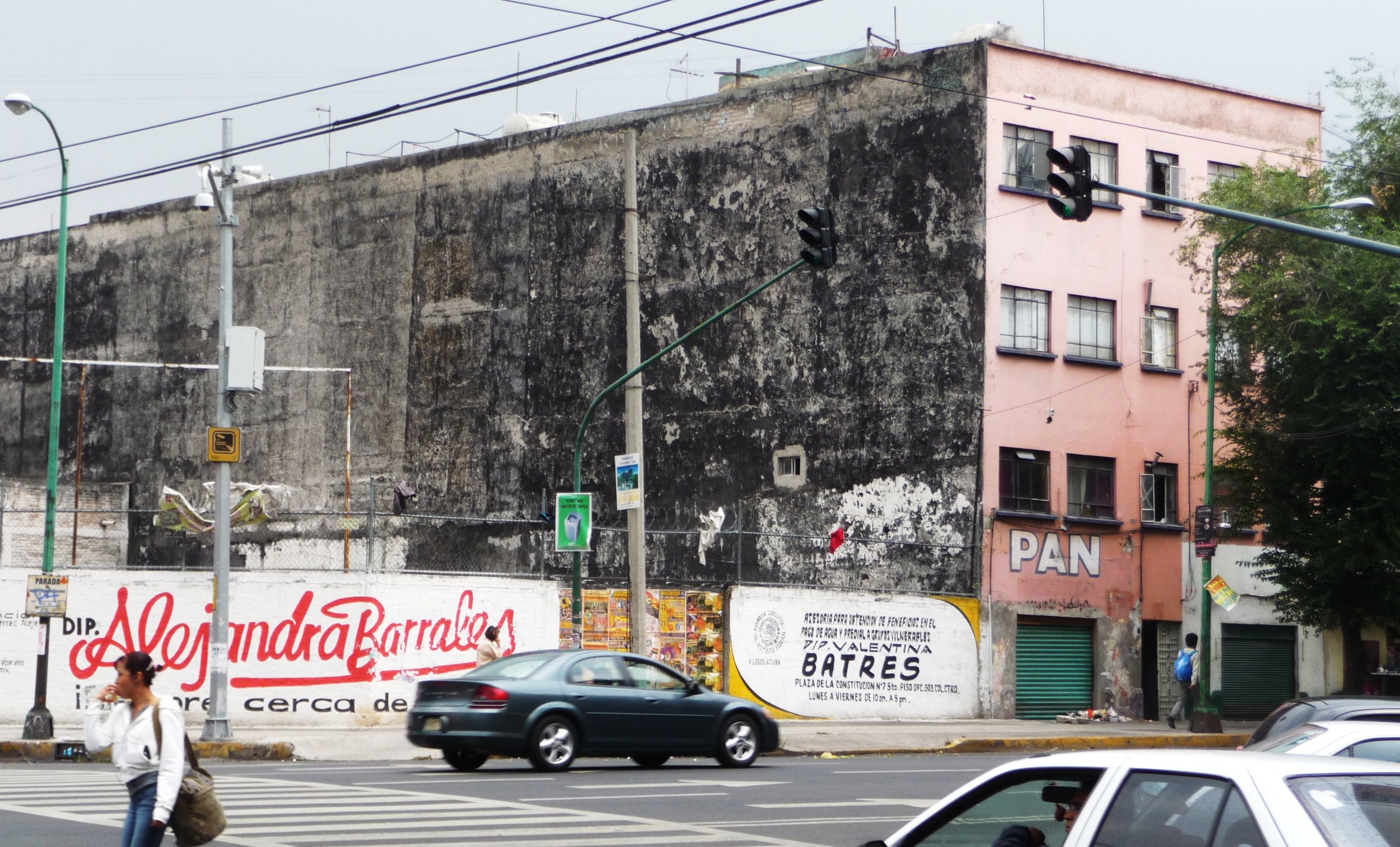
From time to time I have mentioned to other chilangos an idle idea of buying a building in Doctores as an investment, thinking that its great location will inevitably lead to the neighborhood's ascendance. They have all looked at me as if I were suffering from a rare form of delirium.

Next Thursday in New Haven

public-speaking

If you happen to be in (or anywhere near) New Haven, Connecticut, on Thursday, September 20, I will be speaking about my progress as a writer in Mexico, my work defending Mexicans who are facing the death penalty in the U.S., and reading from a novel-in-progress at Yale's Beinecke Library on 12 Wall Street at 4 pm.

Dora

If you're still in New Haven on Saturday the 22nd, at the 251 Gallery on 251 Greene Street there will be a showing of watercolors by my brother, Marc Lida, who died of AIDS at the age of 35 in 1992. The above image is Dora in the Garden, part of a series he did based on Freud's case studies. Maurice Sendak described his work as "sharp-witted, erotic and gorgeously robust." I will be on hand for the opening reception between 5:00 and 8:00 pm.

Down under

Metro waiting

Anyone who has money in Mexico City -- and some people who don't -- drives a car because of the status they think it brings them. However, owning one doesn't get you where you are going any faster during rush hour. At only three pesos per ride, the subsidized-by-the-government metro is the cheapest and fastest way to get around Mexico City. About four million people ride it each day.

Metro parfum

It has some problems. As the city grew much more quickly than the metro system, it is hardly comprehensive, and at rush hour you feel as if all the four million are in the same car with you. Women have to be on red alert for guys trying to cop a feel.

Metro escalator

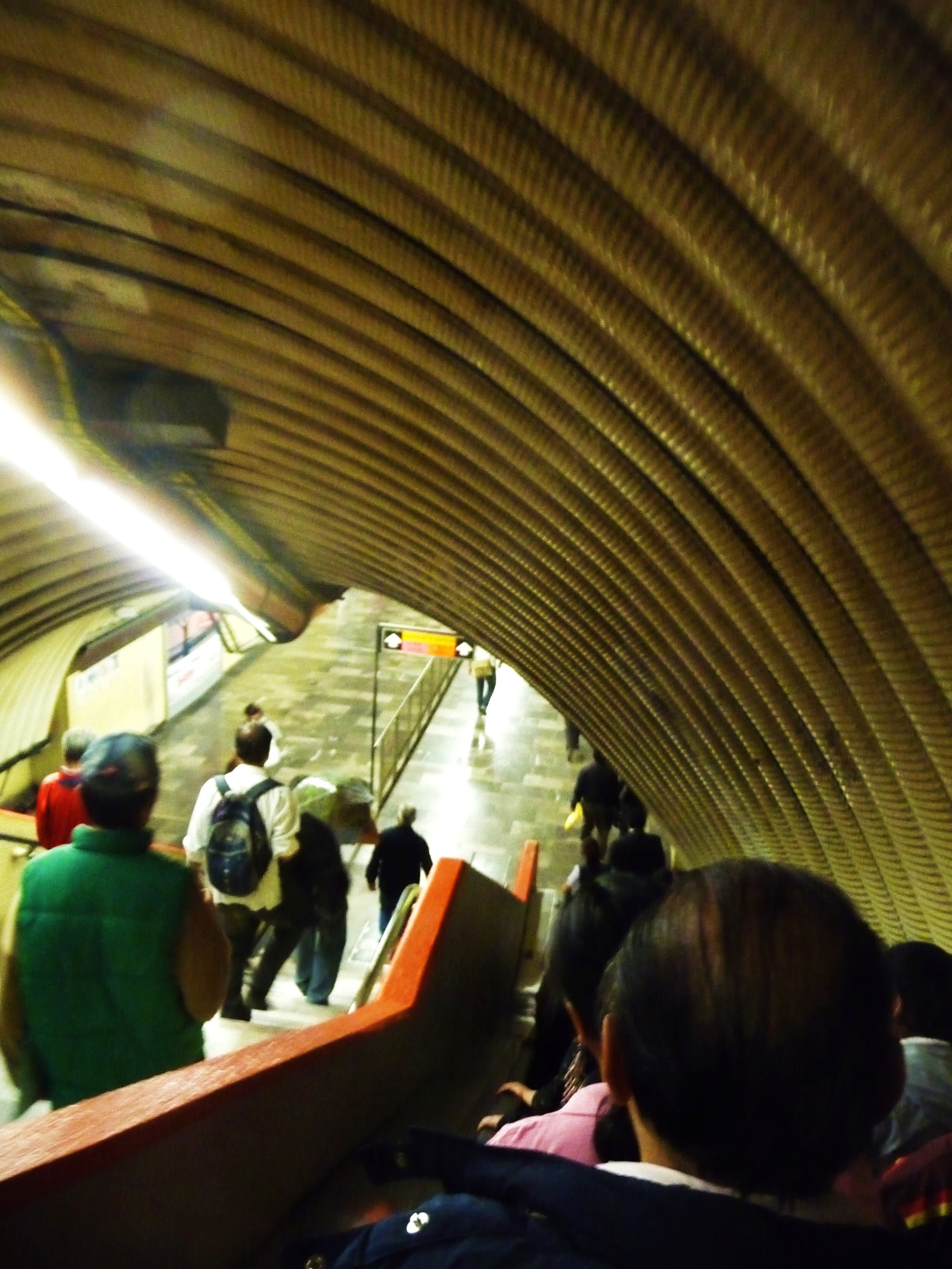
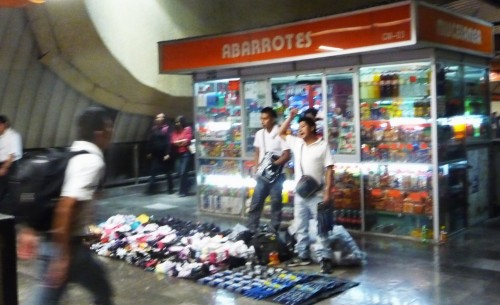
But if you ride during the off hours it's a much less fraught experience. On any given journey you can watch a woman applying eyeliner despite the seismic movement, lovers in a passionate clinch, or a blind and lame beggar crying for alms. The staircases and platforms are a souk, and so are the cars themselves, as an endless procession of enterprising salespeople comes and goes, hawking CDs, candy, calendars, flashlights, coloring books and cough drops.

Metro abarrotes

The apartment where I have lived since October of 2010 is two blocks from a metro station. In all my years here I had never lived so close to one. I can't say that it solves every single transportation problem in the city. But it sure helps with most of them.

Before and after

Much has been written about the increasing and alarming violence in Acapulco in recent years. Taxi drivers are murdered by the dozen, bodiless heads are left to be suntanned on the beach, and shootouts up in the hills can leave hundreds of bullet casings.

I confess that I subjected this huauchinango al mojo de ajo to ruthless and merciless treatment on a spring afternoon at El Amigo Miguel, a restaurant a stone's throw from Acapulco's zocalo.

Ella


Early in 1990 I decided I wanted to move to Mexico City. I took an intensive course in Spanish at Taller Latinoamericano, which at the time was in the East Village in New York. Two months, two hours a day, four days a week, and that was my entire formal education.

But I had some auxiliary teachers, including my next-door neighbor, an Argentine from Mendoza called Tito. His mother had loved Mexican music, and Tito inherited her predilection. “You like Mexico?” he asked. “Listen to this tape. Try to transcribe the lyrics on paper and then translate them.”

A woman’s voice – so deep and husky she could almost have been a man – imbued my apartment. (It wasn't difficult. At the time I lived in a one-room studio.) She sang a song traditionally sung by a man, “Ella” by Jose Alfredo Jiménez, which begins like this:

I got tired of begging

I got tired of telling her that without her I would die of grief

She didn’t want to listen to me, and if she opened her mouth

It was to tell me she didn’t love me anymore

These kinds of exaggerated emotions are typical of the lyrics of ranchera songs, indeed of much of Mexican music. Yet when Chavela Vargas, the singer on the tape that Tito lent me, sang them, they seemed completely rational and normal. In Vargas’s voice, each song did not so much recount a soap opera, but the accumulated pain of an entire life. I could not get enough of the tape, and on a trip to Mexico – I wasn’t ready to move until later in the year – I bought several more. Tito told me that about ten years earlier, Vargas, who had been a big star in Mexico, had disappeared from the face of the earth. She was rumored to have been a “difficult” artist who consumed a bottle of tequila a day. I asked around in the Mexico City record stores, and many thought she was dead.

A couple of months after I moved to the city, in October of 1990, it was announced that Vargas would be making her comeback at a nightclub in Coyoacán called El Hábito. I was among the first in line for the show. A diminutive woman wearing a huge rebozo, Vargas was in her early seventies at the time. If in her voice you could hear the ravages of time (and all that tequila), the emotions were intact. Each song was like a little play of tragedy or redemption. I knew that I was witnessing an important moment in Mexican cultural history – and I got her autograph for my neighbor Tito. (She signed it, "Para Tito -- no mames nunca," a deliciously vulgar phrase of Mexican slang that he often used.) I went to see her several more times at the same little night club.

Within a couple of years, Vargas would be discovered by Pedro Almodovar, who used her music for several of his films. Despite her increasingly fragile health, she would entertain King Juan Carlos of Spain as well as other luminaries and royalty in Mexico, the U.S. and Europe. The last time I saw her was at a free concert in Mexico City’s zócalo in October of 2010. In the last two decades of her life – she died on August 5 at the age of 93 – she regained the fame and love she so justly deserved.