People were dying to get in here

Discreetly tucked away in the corner of a plaza in the rough-and-tumble Colonia Guerrero is a tiny cemetery known as the Panteón de San Fernando. Nearly everyone who is buried here died in the 19th century -- including Benito Juárez (1806 - 1872). Mexico's liberal reformer, he was the man who put into law the separation of church and state here and, in U.S. history books, is often compared to Abraham Lincoln. Both he and his señora, Margarita Maza, are buried in this tomb.

Other illustrious but less well-known Mexicans are buried here also, with similarly notable sculpture.

In Mexico City, space seems to have been at a premium even that far back. Many at San Fernando are buried in these compartment crypts along the walls.

This inscription brought a tear to my eye. If you don't read Spanish, it says, "Here sleeps Miguel Badillo Bernardi, my beloved son. Speak softly -- don't wake him up. March 19, 1866."
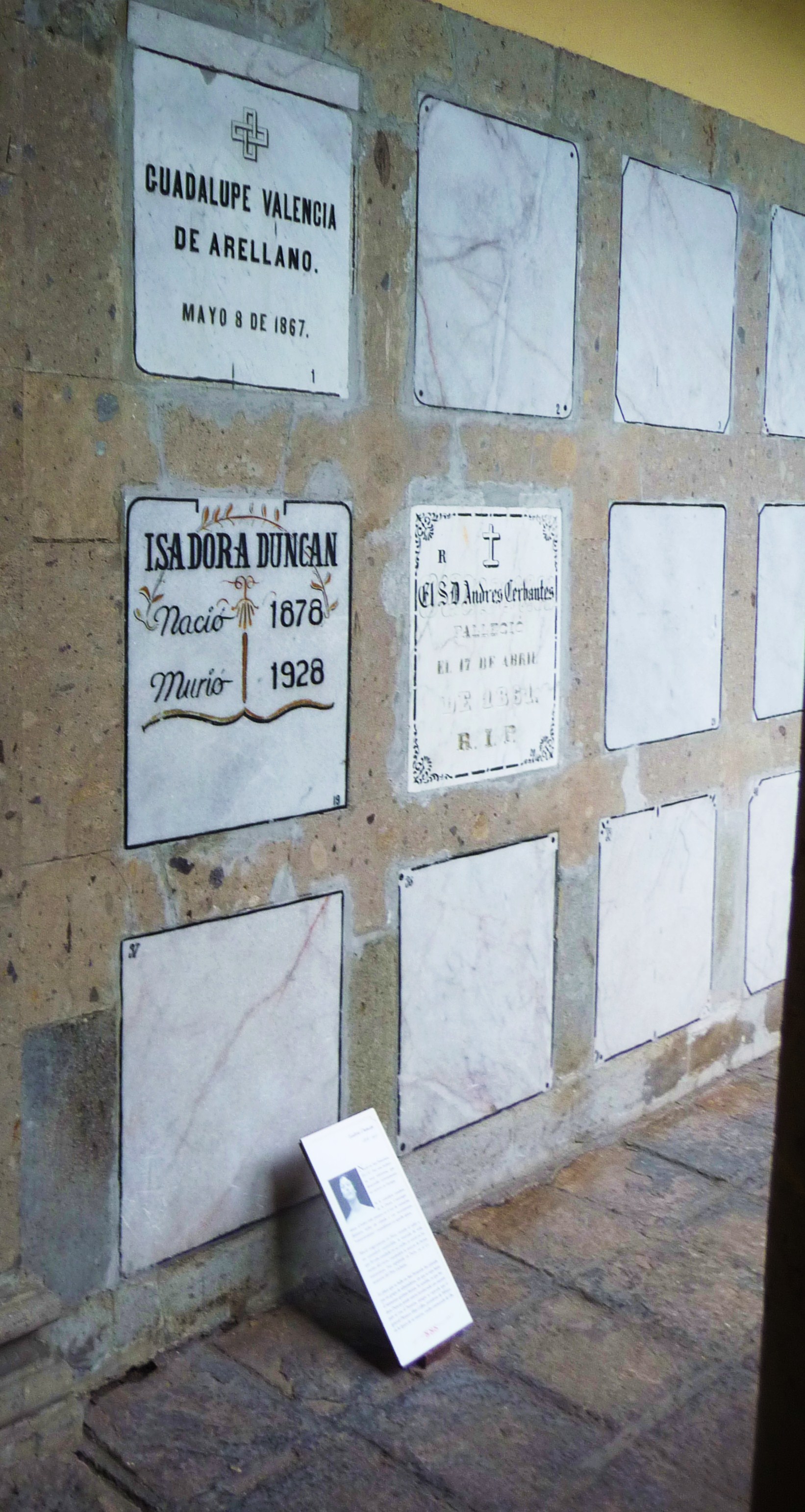
Isadora Duncan was buried here ... NOT. Some of her Mexican admirers paid for her to have an honorary crypt in San Fernando.
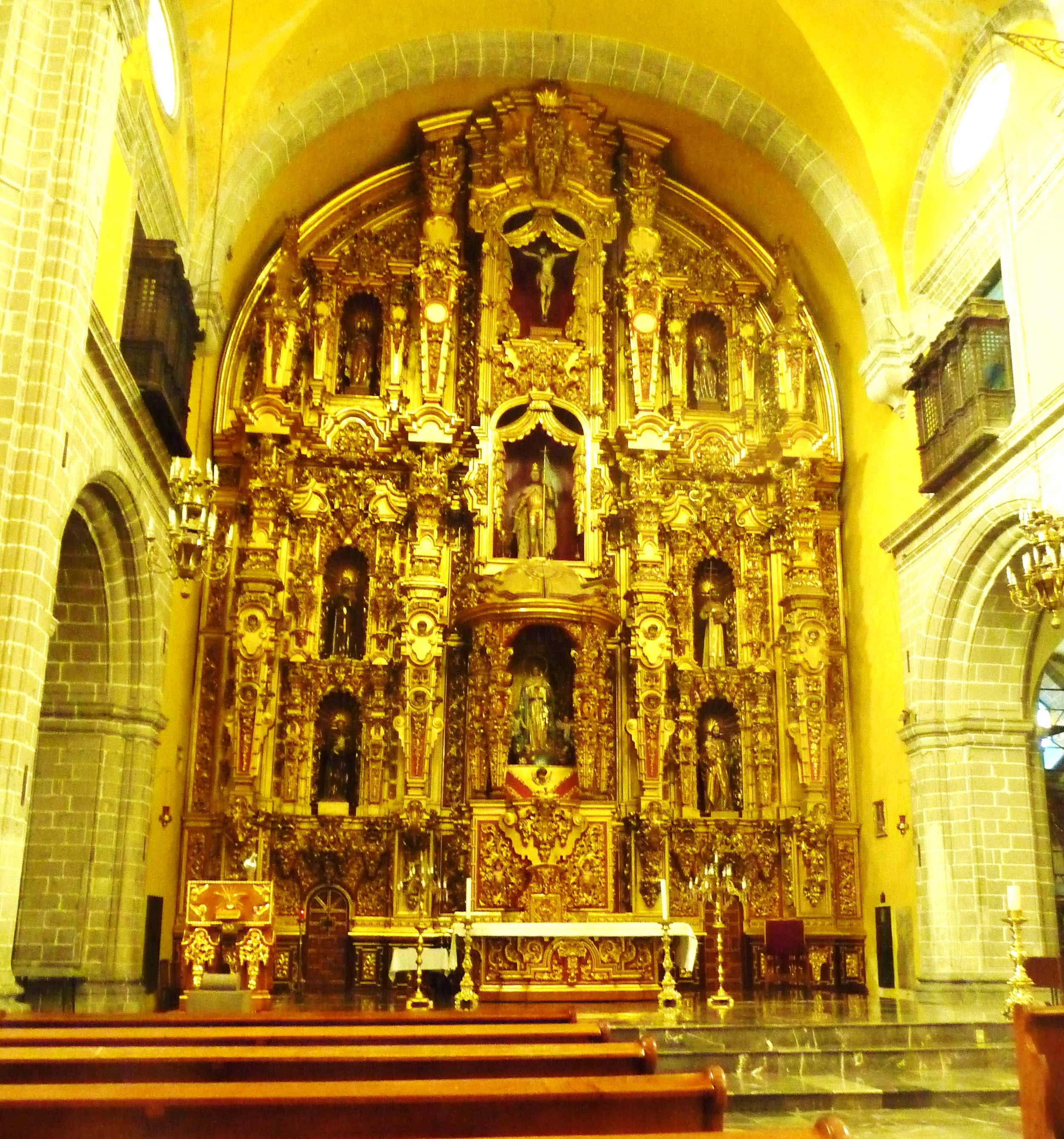
The graveyard is around the corner from the San Fernando Church, a Franciscan temple with an exquisite altar begun in the 1730s.

Perhaps because of the area's dodgy reputation, there are never many people here, making it convenient for people like this gentleman taking his siesta. It is located at Plaza San Fernando #17, between Calle Heroes and Calle Guerrero, in the Colonia Guerrero. Tours are given every two weeks. Information: 5518 4736.
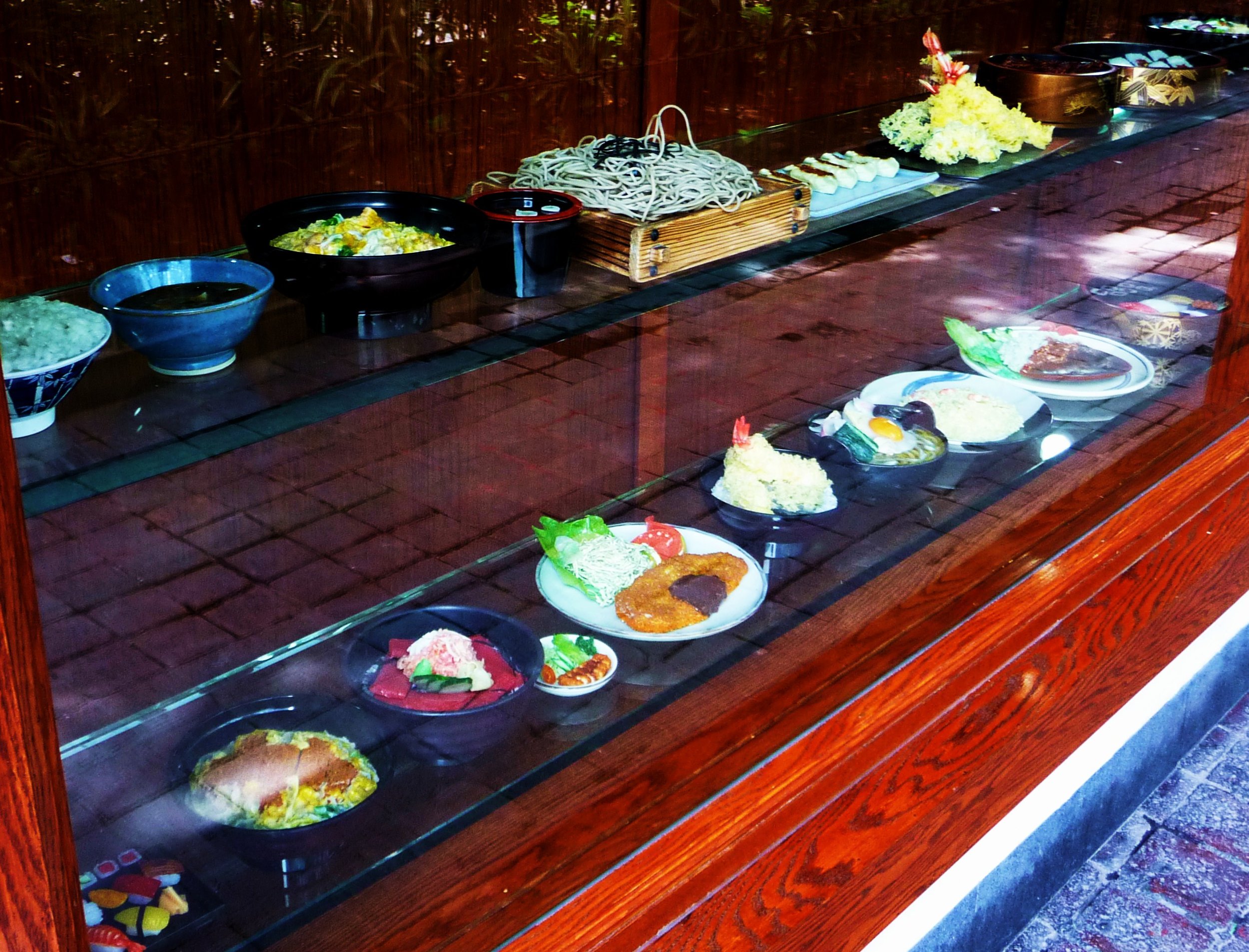
Fake food

Restaurante Tokyo on Calle Hamburgo 134 in the Zona Rosa is one of Mexico City's longest-running establishments for Japanese food. If the meals here are not especially memorable, they are absolutely reliable, and the place is a decent, reasonably priced option in the neighborhood (which is crowded with fast-food emporiums and greasy taco joints). I have always loved this window display of plastic food at street level, which has not changed in more than twenty years since I first came to Mexico City. Sometimes I think it looks more enticing than anything that is actually served in the restaurant.

A woman in uniform

A couple of years ago I had a bite here at Maque, a café on the corner of Ozuluama and Iztaccíhuatl in the Colonia Condesa.  I was accompanied by intrepid reporter Témoris Grecko, who enjoyed the afternoon breeze at the sidewalk tables, and the excellent pastries made on the premises. However, he was incensed by the uniforms worn by the waitresses, which he felt were demeaning.

Given the flounce and the lace, I couldn't really argue with him, although I thought he went a bit too far  -- if I remember correctly, he thought that they represented colonialism, enslavement, and so forth. I pointed out that the uniforms are far worse in the coffee shops at the chain stores known as Sanborn's, in business since 1928 and currently owned by Carlos Slim. The unfortunate waitresses there have to dress in these getups, as if they were walking piñatas.

At another famous chain of coffee shops, Vips, they used to be even worse: need I say anything more than pink polyester mindresses? However, on a recent visit I saw that they had updated their uniforms. If they are no more fetching than before, they offer those who wear them a modicum more of dignity.


She knows her tacos

My friend Lesley Tellez, whose charming website The Mija Chronicles details her experiences -- mostly culinary -- in Mexico City, also give a series of food tours around town.

While you are eating -- at taco stands, holes-in-the-wall, cantinas and tortilla shops -- Lesley explains much about the history and culture of Mexican food. While she says her work is geared toward tourists who don't speak Spanish, and as such can be easily confused if not totally confounded about what they are ordering, I recently accompanied her on what she calls a "taco tour." She took us to some old favorites plus a couple of standout places to which I had never been. And even I, who have called Mexico City home since 1990, was absorbed and surprised by some of her anecdotes and information. It occurred to me that, as much as I love the food here, and opinionated as I am about it, I really did not know as much as I thought I did about the origins and traditions of what I put into my mouth.

I had a great time with her and a couple of Australians with gargantuan appetites who were with us. Information about the tours is on her website, but here is a direct link to the appropriate page.