Higher education

oxford-2

Beginning with the next post I promise to return to regularly scheduled programming. But first, one more thing about the paperback edition of First Stop in the New World: Mexico City, The Capital of the 21st Century. I hope some of you might be able to help me with something I am trying to arrage.

I want to spread the word about the book in appropriate academic circles. So if any of you know anyone who teaches or is a student in a program of Latin American Studies, Mexico Studies, Urban Studies, Urban Sociology, or Journalism, I would appreciate if you let them know about the book. Or better yet, send me their contact information and I will let them know.

Also, I will be in the U.S. between mid September and mid October. I am already engaged to speak about Mexico City in New York, Texas and California, so if you know of anyone at colleges or universities (or other relevant institutions) in those states, who might be interested in a talk, please let me know. I am also trying to add Chicago to that list, given that there are over a million Mexicans who live there. So anyone out there from the Windy City, feel free to pipe in.

Soft covers

first-stop-new-world-cover

Nearly every book I have ever read in my life has been a paperback. Many people I know -- I admit it, myself included -- will not think twice about spending fifty bucks, and on occasion a hundred, in a bar or a restaurant, but will balk at buying a hard-cover book because it seems "expensive." Some authors I know had books published in hardback, which were never subsequently published in a soft-cover version. These writers not only felt disappointed, they had the sensation that they'd been cheated. 

There is something light-hearted about paperbacks: They evoke the beach, the subway, those awkward eggheads who stuff them in their jacket pockets, women who throw everything into their handbags. No matter how hard you try to protect them, you know they will get bent, folded, dropped, sat on, stained. They are truer to life than hardbacks -- they take a beating and show their scars.

That was all a preamble to say that First Stop in the New World has just come out in paperback. If you buy it in a store it will cost a little more than half the price of the hardcover, and if you buy it on Amazon far less than half. Those of you who have been putting it off: Go ahead and get it already. Those of you who already have it: Get another copy for a friend.

Chocolate and churros

churros


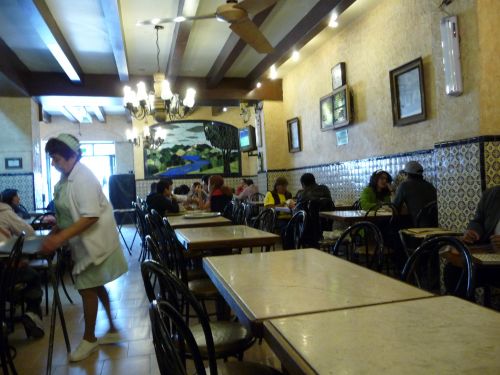
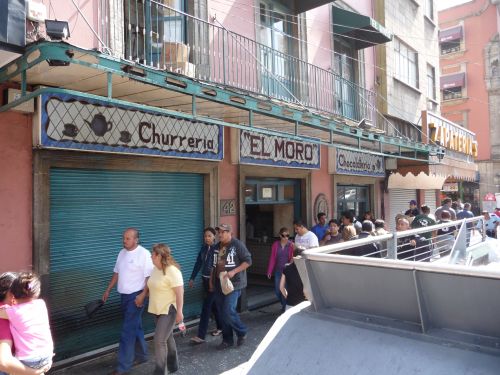
Little in life is reliable, but you can count on El Moro, which is open 365 days a year, 24 hours a day. El Moro is a joint on the Eje Central Lázaro Cárdenas #42 in the Centro Histórico. It is a cafeteria that serves the traditionally Spanish combination of hot chocolate and deep-fried, sugar-coated doughnuts called churros.


november-4-080

The hot chocolate at El Moro comes in four varieties (special, French, Spanish, or Mexican, in varying degrees of sweetness). To be frank, neither hot chocolate nor the brick-heavy churros is precisely my idea of comfort food. Still, I am extremely comforted whenever I go to this place. Maybe it is the fact that it has been here forever. And maybe it is because some of the waitresses seem to have been here since opening day.

moro

Gooo Goldman

frank-in-xel-ha

Last Saturday night the Mexican national soccer team lost miserably, 2-1, against Salvador (a typically undistinguished group), during the qualifying games for next year's World Cup. Mexico has played so miserably lately that they may end up not playing in the World Cup at all, which would be a disgrace, given how much football is a national obsession here (and given the spectacular salaries that Mexican football players earn. They tend to make far more money than players in Latin America who are significantly better than they are, particularly Argentines).

I saw the game at a restaurant in the Colonia Condesa called Xel Ha, with Francisco Goldman, author of such books as the extraordinary novel The Ordinary Seaman and The Art of Political Murder, the true story of the assassination of Bishop Juan Gerardi in Guatemala, which has just been translated into Spanish.

Here's Frank under the hot lights, explaining to a television crew that strolled into the restaurant exactly what the problems are with the Mexican team. He was very diplomatic, wondering why with all their concentrated efforts they weren't able to come up with the brilliant players they need to win. After the TV crew left, he was a little more straightforward. "Son güevones," he said. (They're lazy bastards.) "They suck."

Tourism

tourists

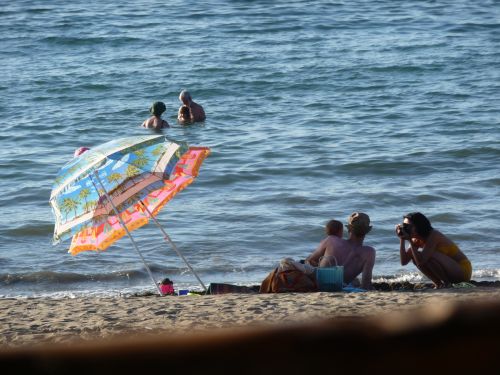
Thanks to the swine flu crisis the Mexican travel industry is in the basement. (Some might point to even lower regions, or to plumbing apparatus.) A shame, because this is such a wonderful country in which to be a tourist -- and it turns out that the flu wasn't much of a flu anyway. Sharp travelers will note that Mexico has become a bargain.

basri-and-lynne

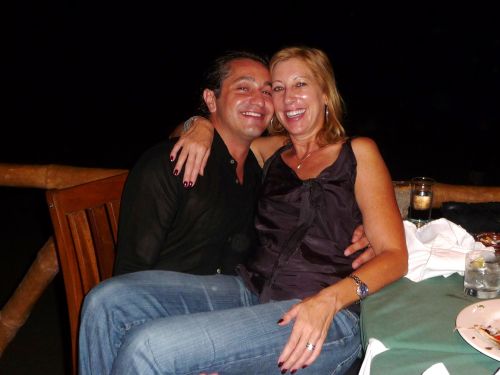
My friends Basri Emini and Lynne Bairstow rent and sell condominiums at Ayía, which overlooks the verdant golf course in the alarmingly exclusive compound Punta Mita (which also includes the Four Seasons and St. Regis hotels). The apartments at Ayía are a bargain compared to those hotels, and due to the tourism crisis are being offered at steep discounts -- such a deal that even the New York Times mentioned it in a recent article. Take a look at their website.

house-1

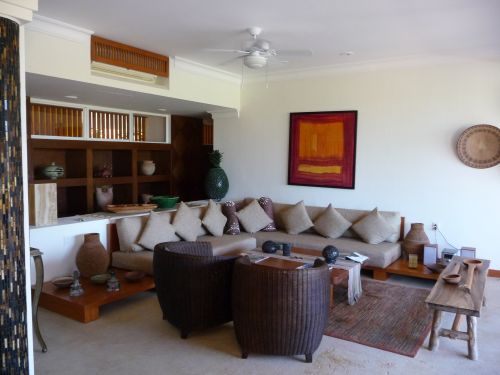
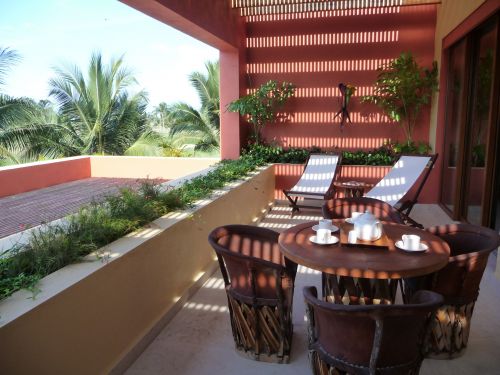
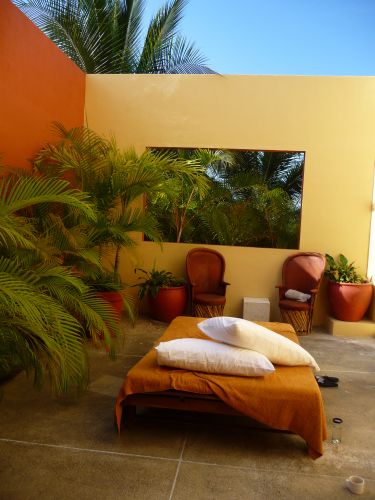
They recently invited me to spend a few days with them in Punta Mita. Here are some photographs of the luxury with which I was lavished.

house-8

house-5

house-6

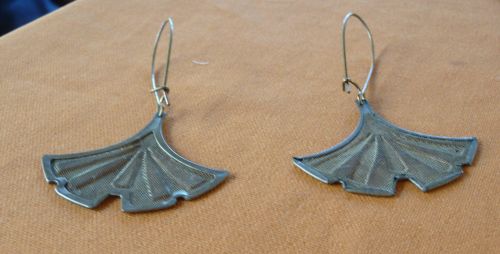
Staying at Ayía includes all the services of the Punta Mita beach club -- restaurant, bar, beach chairs and umbrellas, etc. There, one of the few tourists hearty enough to brave a Mexican vacation, lost a sand-colored earring in the sand just after sunset. This is what her earrings looked like. I tried to find the missing one but after a while gave it up as a lost cause.

earrings

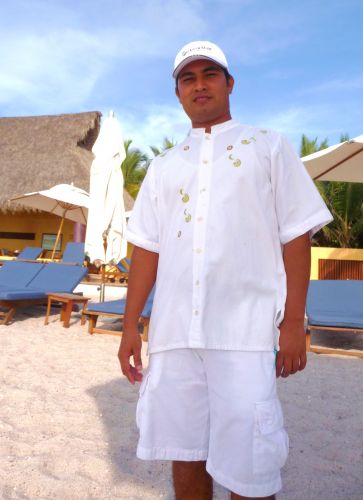
Yet Fray, one of the beach club's waiters, found it after five minutes or so of diligent searching -- in the dark, without a flashlight.

fray

This sort of service is one of the many reasons that I encourage all of you to think about Mexico for your next vacations.